
Anointing of the Sick
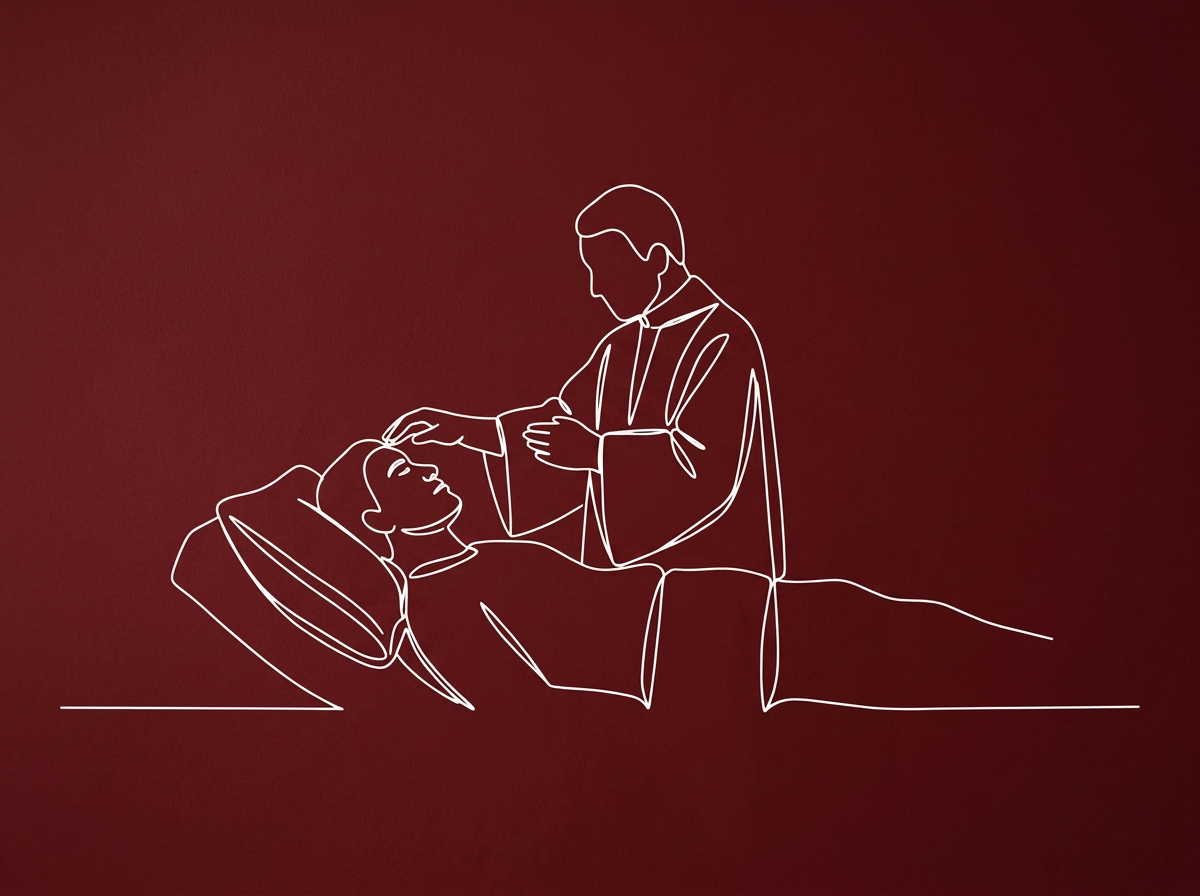
The Orthodox and Catholic Churches acknowledge the unction of the sick as the seventh sacrament. In the Orthodox Church, this sacrament is officiated upon people who are very ill and rely on God’s mercy and belief that the Holy Oil will quicken the recovery, or in the case of inevitable death, the oil will alleviate any death-related sufferings. It was established in accordance with the message of the Apostle who founded it. “Are any among you sick? They should call for the elders of the church and have them pray over them, anointing them with oil in the name of the Lord”. (James 5:14). According to the Church fathers, the aim is to grant perfect health through penance. The service is not associated with preparation for death or “last anointment”. It is strictly to be used as a sacrament for healing, and can be repeated.
From the 4th to the 15th centuries, the Armenian Church administered the sacrament of the Unction of the Sick. This is recorded in the Church Canons and commentary works. However, beginning in the 15th century, the Armenian Church did not refuse, but abstained from conducting the sacrament in order to resist the influence of the Catholic Church. Over time, it was excluded from our liturgical life.
Today, the Unction of the Sick is not regularly practiced, but is still recognized as a Sacrament of the Church. In the administration of the Sacrament, the clergyman prays, reads the Gospel of healing, blesses the individual, and then offers communion. Thus, both the body and the soul of the individual find peace and healing.