
Wedding
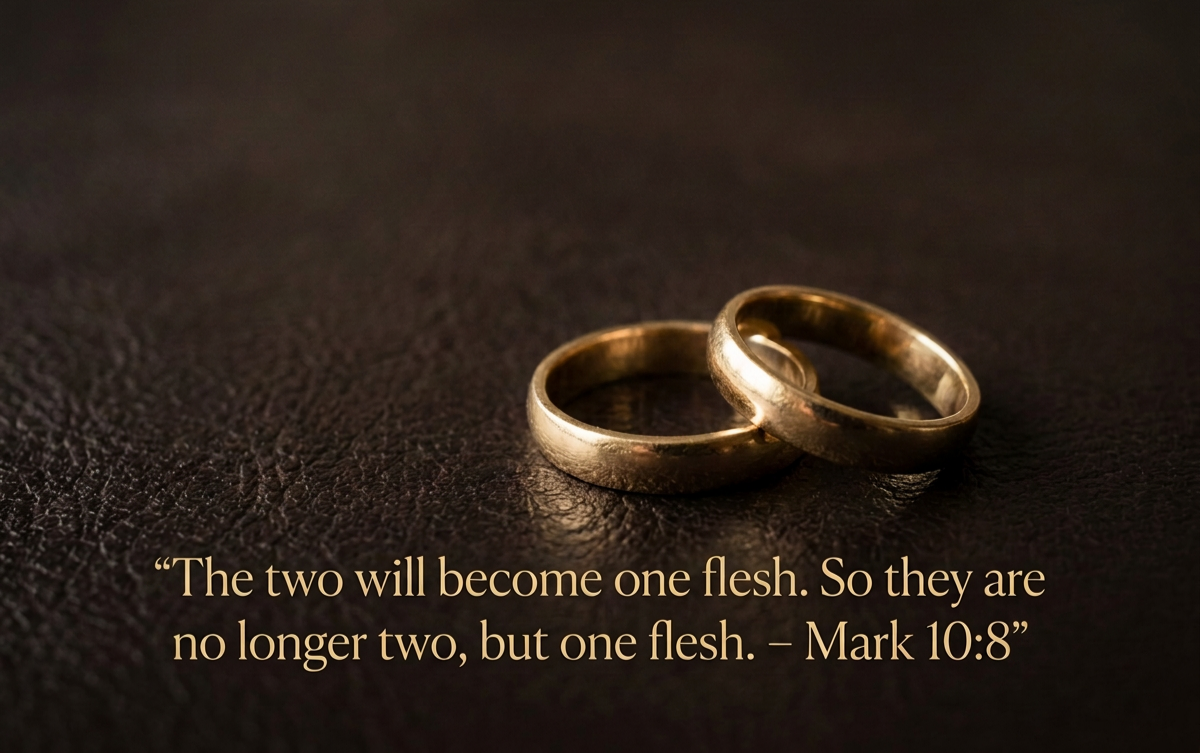
The sacrament of Holy Matrimony is the sanctification of the union between a man and a woman for a life in marriage in Christ.
During the ceremony the rings are blessed and the couple is crowned as king and queen of their small kingdom, which is their newly established family. They are called to faithfully love each other until the end of their lives and to rule their kingdom with faith and wisdom.
The rite of crowning is followed by the blessing of the common cup. A goblet of wine is blessed in remembrance of the Marriage at Cana of Galilee in the presence of Christ. As the bride and groom drink from the cup they are called on to share everything in life from that moment on.
For the sacrament of Holy Matrimony to be performed in the Armenian Church, both the bride and the groom must have received a Christian baptism and chrismation. The major sacramental witness, or best man, should be a member of the Armenian Church.
SACRAMENT OF HOLY MATRIMONY
GUIDELINES
Requirements for the Sacrament
This sacrament may only be conducted for a male and female couple.
One of the parties must have been baptized and/or confirmed in the Armenian Church.
The other party must be a baptized Christian, from a Church recognized by us. A baptism certificate should be provided.
If one or both of the couple are divorced, a dispensation must be received from the Primate.
The sacrament cannot be conducted if there is an intent to have another religious service elsewhere.
Wedding Date
The date is chosen in consultation with the Pastor (at least six months before the proposed date) and prior to reserving the reception venue.
Prohibited days: all Saturday evenings, Sunday mornings, throughout Great Lent and Holy Week, and days of fasting (before sunset).
License
The sacrament of marriage cannot take place without the couple first obtaining a marriage license or a legally valid marriage certificate from another country.
Information regarding the license may be obtained from the church office or on the Internet.
Couples are responsible for complying with state requirements and having a valid license before the service can be conducted.
For rare exceptions to this rule, such as for an elderly couple or for immigration circumstances, the pastor must contact the Diocese.
Divorced
If one or both of the couple have been divorced, the pastor must request a dispensation from the Diocese, along with copies of the official divorce decrees.
The pastor cannot proceed with the wedding until the dispensation has been granted.
Instructions
The couple must meet with the Pastor prior to the wedding to learn the meaning of the sacrament and to answer questions related to the service. The number of meetings is at the pastor's discretion.
Recommend that the pre-marital “Prepare and Enrich” 5-part program be utilized.
Location
Diocesan directive #346 specifies that no marriage can be solemnized outside of an Armenian Church or other Christian sanctuary.
Wedding Party
Brother in the Cross should preferably be a baptized member of the Armenian Church. If not, he must be a baptized Christian from a church that we recognize.
The groom may also choose someone else to serve as the Best Man, provided that person is a Christian.
Maid of Honor must be a baptized Christian.
The couple and all members of the wedding party must dress modestly out of respect for the sacrament and the sanctity of the church
Guest Clergy
Requests for guest clergy participation are made to the pastor, who in turn extends the invitation. The pastor directs the participation of all guest clergy. Armenian Clergy may be invited to conduct part or all of the service. Clergy of other traditions may read from the scriptures, offer congratulatory remarks and/or prayer/benediction.
Note: The terminology “concelebrant” is not used in the Armenian Church
Photography
Photographers and videographers should check in with the pastor before the service begins. They may take photos and videos at any time during the ceremony, ought to exercise caution and maintain decorum during the service, and use caution so as not to blind the eyes of the celebrants.
They may NOT ascend the steps of the Altar.
Reception
It is customary to invite the pastor or other clergy to offer an invocation.
Clergy should be sent a printed invitation either to the church office or their home
Rehearsals
Date and time are arranged with the Pastor, who conducts the rehearsal.
In some places, a deacon may be trained for this.
Special requests should be made to the pastor during pre-marital meetings.
The wedding party must arrive on time for the rehearsal and the ceremony.
Music
Only Armenian hymns (sharagans) appointed for the sacrament of marriage may be sung.
However, before and after the ceremony, music suited to the church's sacredness may be used with the Pastor's approval. (see “Wedding Songs” by Archbishop Torkom Manoogian for appropriate Armenian hymns).
Decorations
Flowers, special lighting, and other appointments, including their placement, must be approved by the Pastor.
Furniture or furnishings may not be moved without the Pastor's approval.
Decorations may not be nailed or screwed to the furnishings or attached in any manner likely to damage church furniture and/or to be a fire hazard.
Note: the wedding party is responsible for informing their decorator or florist of the above parameters and guidelines.
Printed Wedding Program/Booklet
Couples may distribute a personalized ceremony program booklet, which has been reviewed and approved by the Pastor.
Ushering
The couple is responsible for organizing the ushering and seating of guests in the sanctuary.
Ushering details should be explained during the rehearsal.
Certificate
Following the wedding, the Church Office will register the sacrament and provide the couple with a certificate of Holy Matrimony.
Donations made at your discretion may include:
Donation to the Church
Honorarium to Deacon
Honorarium to Soloist
Honorarium to Organist
Gift to Officiant and Participating Guest Clergy
*The pastor invites the participating deacon, soloist, and organist.